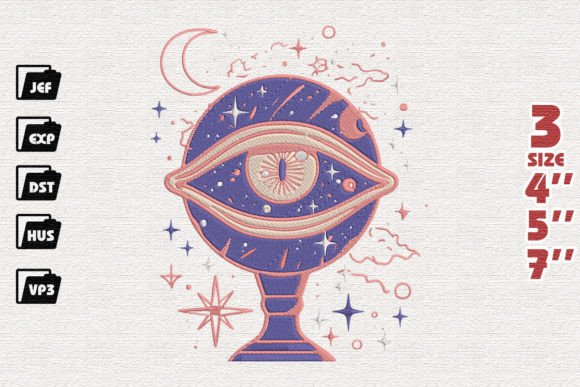
Magic Eye Embroidery Design Review
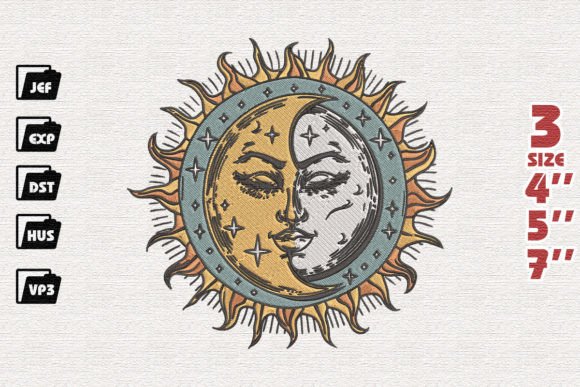
The Magic Eye embroidery design offers a unique blend of charm and whimsy that can elevate small business merch, branded patches, and custom apparel. As an experienced embroidery designer, I’ve evaluated how this machine embroidery design performs in real-world applications, from staff uniforms to tote bag designs and everything in between.
First Impressions: A Whimsical Yet Professional Touch
From the first glance, Magic Eye feels playful yet polished. The design’s boho aesthetic suggests a handmade product, but its clean lines and structured form make it suitable for both casual and semi-formal settings. This balance makes it ideal for small businesses looking to add a touch of personality without sacrificing professionalism.
Its fun, eye-catching nature could serve as a brand identity element that stands out on t-shirts, aprons, or even customer gifts. Whether used as an embroidered patch or a chest logo accent, Magic Eye has the potential to become a signature element of a business’s visual style.
Real Business Use: Versatility Across Merchandise
Small business owners and Etsy sellers will appreciate how Magic Eye can be applied across various products. For instance, it works well as a cap embroidery or a sleeve detail on work shirts. When stitched onto tote bags or apron embroidery, it adds a subtle yet memorable mark that enhances the overall look of custom apparel.
This design is also great for event merch, where consistency and visual appeal are key. It can be used as a product packaging accent or a branded add-on on merchandise like notebooks, mugs, or even pet accessories. Its versatility makes it a valuable addition to any digital embroidery file collection.
Best Applications for Magic Eye
- Embroidered patches for staff uniforms or boutique merchandise
- Chest logo accents on t-shirts and work shirts
- Sleeve details for custom apparel and event merch
- Tote bag design for eco-friendly branding
- Apron embroidery for cafes, bakeries, or craft studios
Where to Use with Caution
While Magic Eye is visually appealing, there are scenarios where it may not perform optimally. On small patch sizes, the design might lose some of its detail, especially if the stitch density is too high. This could lead to a less defined finished product, particularly on items that require frequent washing.
Curved surfaces, such as cap fronts, may challenge the design’s layout. Similarly, tiny lettering or detailed outlines could be difficult to replicate accurately. If used on dark uniforms, the thread colors must contrast sufficiently to ensure visibility.
Textured fabrics or those with high stitch density may also affect the final outcome. It’s important to test the design on the intended fabric before full production to avoid issues with fabric texture or stability.
Impact on Brand Identity and Customer Perception
For small businesses, the right embroidery design can significantly impact brand identity and customer trust. Magic Eye, with its charming and whimsical nature, can help create a memorable visual presence that resonates with customers. It adds a sense of creativity and individuality, which is essential for handmade products and boutique brands.
When used consistently across merchandise, it reinforces visual consistency and helps build recognition. This is especially important for Etsy sellers or craft businesses that rely on strong branding to stand out in a competitive market.
Additionally, using Magic Eye on product labels, packaging, or customer gifts can enhance the perceived value of a product. It signals attention to detail and a commitment to quality, which can increase buyer engagement and loyalty.
Practical Designer Notes for Successful Implementation
As an embroidery designer, I recommend testing Magic Eye in black and white first to evaluate how it translates on different fabrics. This step helps identify any issues with thread color contrast or design clarity before moving forward.
It’s also crucial to check how the design looks at small patch sizes. If the design is meant for use on caps or small areas, consider simplifying the details to maintain legibility. Reviewing the spacing and hoop size will ensure the design fits within standard embroidery machines and hooping constraints.
Using the proper stabilizer is another key factor in achieving a professional finish. Depending on the fabric type, you may need to adjust your stabilizer choice to prevent puckering or distortion. Creating a printable mockup for client approval can also help manage expectations and ensure the final product meets their vision.
Before using Magic Eye for commercial embroidery projects, always confirm the licensing terms. Even though the design description mentions it’s a machine embroidery design, specifics about usage rights should be verified to avoid legal complications.
Conclusion: A Whimsical Design with Business Potential
Magic Eye is more than just a decorative embroidery design—it’s a versatile tool for small business owners and embroidery shops looking to enhance their product offerings. With the right application, it can become a signature element of a brand’s identity, adding charm and character to merchandise like aprons, tote bags, and custom apparel.
By considering factors like stitch density, fabric texture, and hoop size, designers can ensure that Magic Eye delivers a polished and professional finished product. Whether used as an embroidered patch or a chest logo, this design has the potential to elevate a small business’s visual appeal and customer engagement.